
After years of correcting people that Frankenstein is the name of the doctor — not the monster — “Frankenstein” (2025) can now give us lovers of the novel a much-needed break.
Guillermo Del Toro, best known for his films “The Shape of Water” and “Pan’s Labyrinth”, wrote and directed the most recent film adaptation of Mary Shelley’s novel, “Frankenstein, or The Modern Prometheus”.
Going into this as a fan of the original novel, I was pleased to see the modern iteration ditch the “mad-scientist-creating-unintelligent-monster” trope. Seeing Del Toro honor the novel’s original themes and plot felt cathartic.
Victor Frankenstein, played by Oscar Isaac, learns the consequences of messing with the finality of death when he assembles a monster to life. Jacob Elordi plays the monster, who, unlike iterations in earlier films, quickly becomes intelligent and torments Victor with his existence.
Accompanying Frankenstein in his plight is Henrich Harlander, played by Christoph Waltz, and his doting younger brother, William Frankenstein, played by Felix Kammerer. The object of Victor’s affections, Elizabeth, played by Mia Goth, acts as the voice of reason to contrast Frankenstein’s ego-mania. The film isn’t a one-to-one retelling of the book, but Del Toro’s creative choices felt respectful to Shelley’s work.
Elizabeth’s character differs the most from the novel. Del Toro’s vision for Elizabeth contradicts “Frankenstein”. Elizabeth is still the enchanting and gentle love interest like her book counterpart, but there’s more focus on fleshing her out, like with her love for entomology. She finds no form of life insignificant and is critical of man’s insistence of chasing ideas that ultimately gets others killed.
This contrasts Elizabeth in the novel, who was unaware of the monster’s existence and regarded Victor as the charming, intelligent man she was engaged to. Goth’s performance as Elizabeth was exceptional, with her captivating grace for the monster, while donning some of the most iconic outfits in I’ve ever seen on the big screen.
Every detail about this new Elizabeth shines a light on a new dynamic with Victor, while still echoing the same sentiments: greatness pulled him astray.
Isaac’s performance of Victor Frankenstein showcased a devolution into madness that was hard to watch. In the movie, his dark passions stem from his tragic upbringing, especially with the abuse he received from his father.
Where Frankenstein in the novel immediately regrets his creation after it takes life, Del Toro’s Frankenstein chooses to raise it. Thus making Frankenstein a father figure, though he repeats the same cycle of cruelty onto his innocent creation.
Throughout every point in this adaptation, there are many points in the movie where it felt like Frankenstein was more monstrous than his creation. This adds a fascinating foundation for the movie’s cat-and-mouse chase between Frankenstein and his monster.
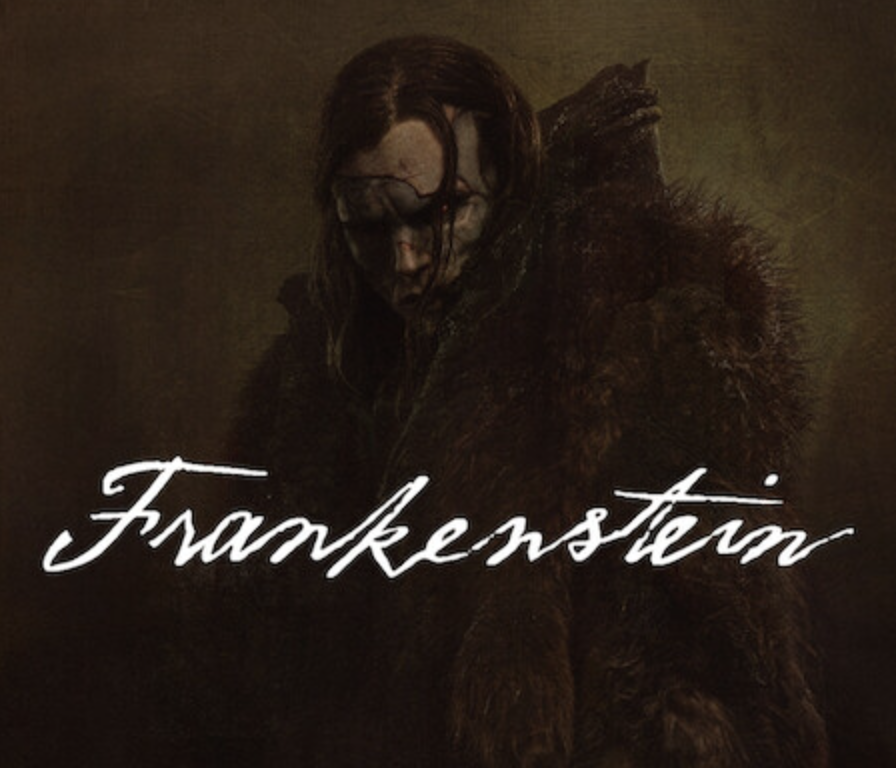
Jacob Elordi’s performance as the monster revived the character’s poetic and philosophical depth in the novel, while also embodying his distress at his circumstances. Instead of bolts on his neck and copious amounts of stitches upon green screen, the monster first appears akin to a marble statue.
This also differs from his ghastly appearance from when he was created in the novel. Del Toro created the monster to be pure and untouched by this world like a baby, until his traumas shape his appearance to be grotesque.
Not long after, much like his appearance, his actions cause him to take up the mantle of a “monster.” His presence in the film is easily the most tragic, as his pursuit to be loved worked against his curse of immortality.
Onto the visuals — absolutely stunning. The costumes in this film were meaningful and beautiful to look at, with red fabrics being used to symbolize life and death. Light also was significant to the film, especially when characters like Elizabeth and the monster were introduced into Frankenstein’s life or when lightning strikes for dramatic turns in the plot.
Other visuals such as the jaw-dropping “Castle Frankenstein” felt commemorative to the first film adaptations of “Frankenstein”. Del Toro’s eye for creating amazing worlds is a staple of his work that movie watchers and novel enthusiasts can both appreciate.
In the end, the film not only did the original story justice, but had me leaving the theater feeling grateful for its unique changes. It’s hard for me to imagine another writer and director whose vision could have elevated the story as well as Del Toro. “Frankenstein” is a film I feel like Mary Shelley would be proud of.